22 October 2026
Hormone Adjustments And Urological Wellness
Presented by @alexisjdyb521
Menopause And Urinary System Incontinence: Reasons And Treatments
While females can experience incontinence and vaginal atrophy separately, both often go hand-in-hand. The main perpetrator is the large decrease in estrogen levels during menopause. People that are experiencing incontinence needs to never think twice to look for clinical advice. A doctor can collaborate with you to recognize the kind and seriousness of your bladder problem. They might refer you to an expert called a urogynecologist or urologist, if you need a lot more intrusive screening or treatments. Losing weight or preserving a healthy and balanced weight with a healthy and balanced diet plan and regular exercise can help the pelvic floor muscle mass and bladder really feel less pressure.
Just How Does Perimenopause Affect Our Bladder?
Dr Karen Mann, Md
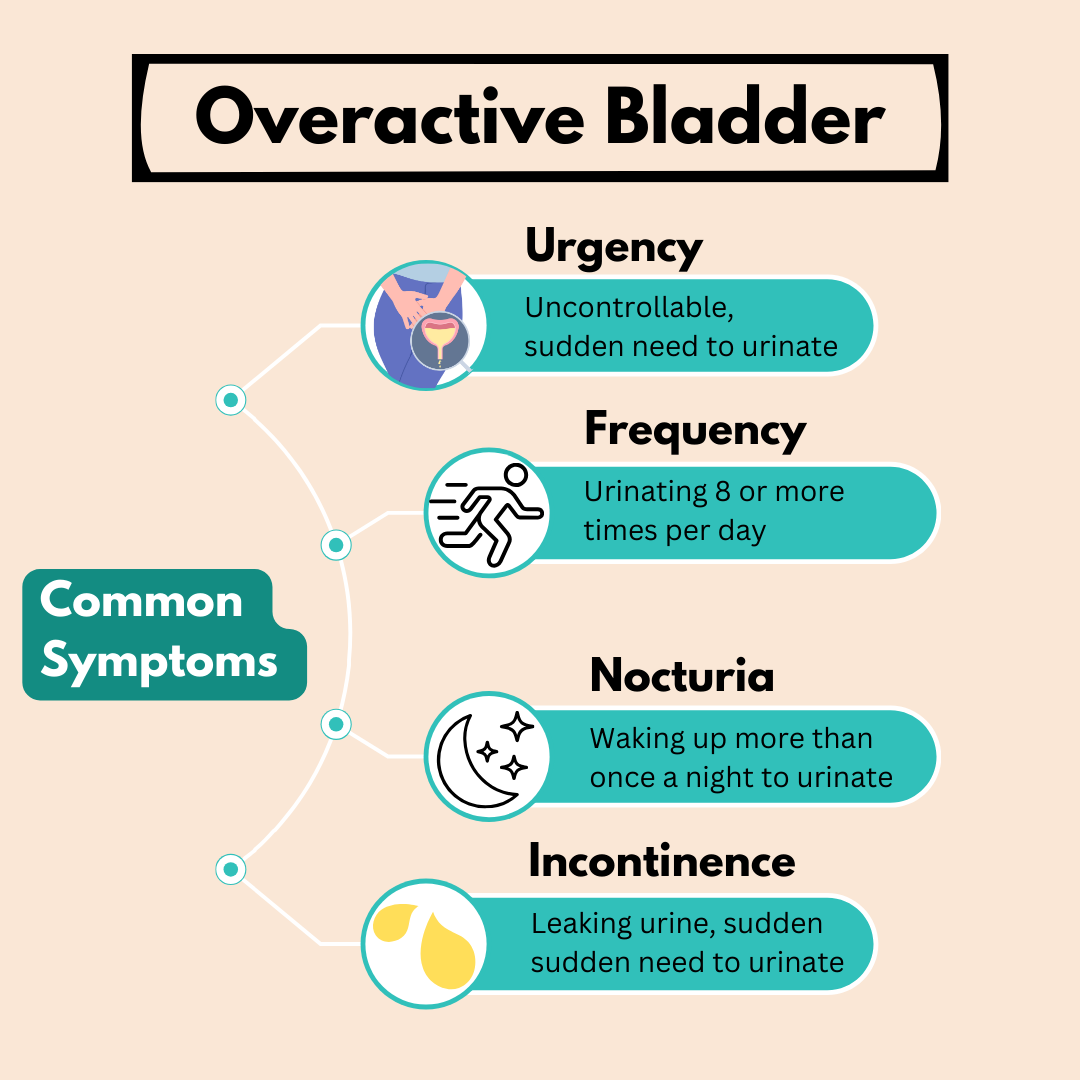
This is the hormonal agent that maintains your bladder and urethra healthy and balanced, and as a result, much less estrogen causes pelvic floor muscles to end up being weak. As estrogen levels continue to drop during menopause, UI symptoms can worsen. Regular pelvic floor workouts enhance the muscle mass sustaining the bladder. Keeping a healthy weight reduces pressure on the bladder, boosting control.- They really feel the urge to go rather unexpectedly and are unable to reach a shower room in time.
- Working with a pelvic floor expert can assist you discover just how to correctly engage the muscle mass that sustain your bladder.
- In a similar way, kegel workouts-- squeezing and unwinding the pelvic muscle mass-- can be done in the house and are among the most effective ways to lower leaks gradually.
- As a RN who's worked in geriatrics for over 14 years, I recognize initial hand that changes in bladder control can be a common part of aging.
- Make a consultation with Dr. Allison Wyman for therapy choices if you have urinary system incontinence.
Types Of Urinary Incontinence In Menopausal Women
As a matter of fact, 40-57% of postmenopasual ladies have signs of vaginal degeneration, and on the urinary incontinence side, greater than 50% of older females experience it. here Pelvic flooring exercises, bladder training, staying moisturized, and maintaining a healthy weight can assist. Prevent bladder irritants and talk with your physician about treatment options.
Estrogen plays a vital role in keeping the health of your urinary system. Decreased estrogen degrees throughout menopause can result in thinning of the genital wall surfaces and weakening of the pelvic floor muscle mass, both of which support your bladder and urethra. The pelvic floor muscles help sustain the bladder, uterus, and bowel while likewise helping control urine circulation. Hormonal modifications can deteriorate these muscle mass and atrophy connective cells that support them with time. When the pelvic flooring comes to be weak, the bladder and urethra may not get sufficient support, increasing the chance Visit this website of tension urinary incontinence. Pelvic floor physical therapy is a specialized treatment that retrains the pelvic floor muscle mass (that aid control your bladder) to work effectively.